Home Hack

When is the Right Time to Refinance?

Maybe you’ve heard someone declare “Mortgage rates are at an all-time low!” It’s been a fairly common refrain in the last few years as federal interest rates have fallen.

When mortgage rates are low, it’s a good time to get a first-time mortgage or to refinance a mortgage that you already have. If you think refinancing can save you money on your mortgage, then NOW might be the perfect time to look into it.

Mortgage rates are currently at record-breaking lows due, in major part, to the extremely low Federal Reserve rate. The fed rate was dropped to near 0% in recent months in response to the economic hit from coronavirus.

There are many reasons why homeowners refinance:

  • To obtain a lower interest rate
  • To shorten the term of their mortgage
  • To eliminate previously required mortgage insurance costs
  • To convert from an Adjustable Rate Mortgage(ARM) to a fixed-rate mortgage, or vice versa
  • To tap into home equity to raise funds to deal with a financial emergency, finance a large purchase, or consolidate debt

One of the best reasons to refinance is to lower the interest rate on your existing loan.

Historically, the rule of thumb is that refinancing is a good idea if you can reduce your interest rate by at least 2%. However, many lenders say 1% savings is enough of an incentive to refinance.

When interest rates fall, homeowners sometimes have the opportunity to refinance an existing loan for another loan that, without much change in the monthly payment, has a significantly shorter term.

Homeowners often access the equity in their homes to cover major expenses, such as the costs of home remodeling or a child’s college education. These homeowners may justify the refinancing by the fact that remodeling adds value to the home or that the interest rate on the mortgage loan is less than the rate on money borrowed from another source.

If you could save several hundred dollars a month, or have your home paid off in half the time, would you want to? Refinancing might offer you just that kind of savings.

Since refinancing can cost between 2% and 5% of a loan’s principal and—as with an original mortgage—requires an appraisal, title search, and application fees, it’s important for a homeowner to determine whether refinancing is a wise financial decision.

Call us to discuss your specific situation.

Contact Us


Home Hack

Perfectly Pretty Presents

Wrapping gifts can be a real chore. Sometimes, it feels impossible to get your item wrapped in a way you are proud to present – but don’t give up yet, we’ve got some tips!

THE WRAPPING RULE:

IF IT’S A STRANGE SHAPE, IT GOES IN A BOX OR BAG. 

Trust us. Odd shaped items, or items that do not have flat sides, will never wrap up in a way that gives you the satisfaction of a prim present. The simple trick? If the gift doesn’t have perfectly flat sides, put it in a box or bag.

“OKAY, WHAT SUPPLIES DO I BUY?”

Pro Tip: If you’re ordering things online, use the nicer shipping boxes to wrap gifts. Remove any labels/stickers and they’re ready to wrap!

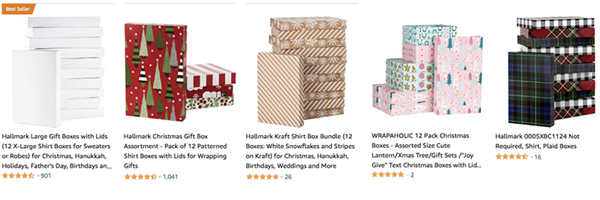
Shirt Boxes – they aren’t just for shirts. Shirt boxes come in value bundles and are perfect for smaller, flatter, oddly shaped, oddly or soft packaged, or several loose items. We searched “shirt boxes” on Amazon and found these cute options, just as an example.

Gift Card Pillow Box Holders – double as simple jewelry boxes too
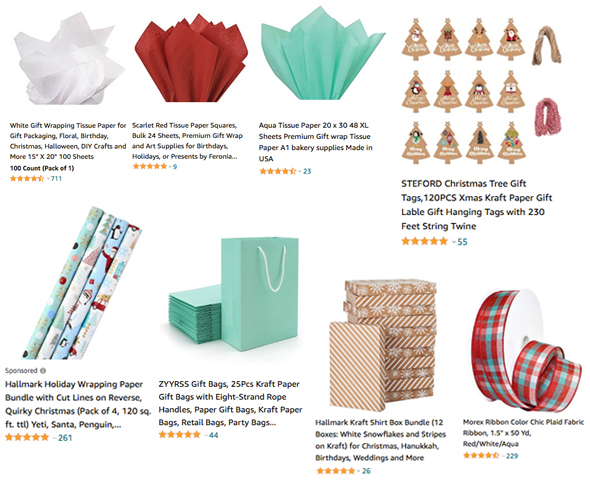
Gift Bags – You can get them in value packs too, plain colors, themed, etc.
Tissue Paper – You’ll need it if you’re using bags or shirt boxes. They sell it almost everywhere, even the dollar store.
Wrapping Paper – You can get all kinds of paper options at all kinds of price ranges. We suggest an average paper, ideally just pricey enough to have the grid lines on the back. The quality of paper is usually better (less accidental tearing) and the lines make it so much easier to cut straight.
Good Scissors – If you have an old pair that doesn’t cut right, it’s time to upgrade to a new pair. Does not have to be fancy, just has to function properly.
Clear Tape – Splurge and buy the brand name. You will save time and swear jar money. Pro Tip: the clearer the tape the less noticeable it will be. If it looks frosted on the roll, it will look frosted on the gift. Either way is fine, just a preference choice to make.
ACCESSORIZE with Gift Tags, Ribbons, and Bows. While they are not necessary, they make the experience even better for the receiver, taking your perfectly pretty present to the next level!

GIVE YOURSELF TIME TO WRAP

If possible, give yourself little blocks of time over the next few weeks to wrap things. If you are living that last-minute-cram-session lifestyle, gift bags and no-wrapping-required gift boxes will be your best friends!

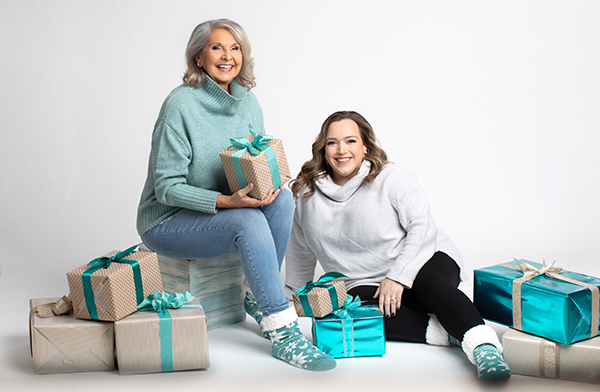
Now the fun part! Coordinate your wrapping selections, and voila! Your gifts become your holiday decor! Pick a few theme colors and only buy wrapping paper in those colors or that have those colors in them. Pro Tip: If your tree or holiday decorations have a dominant color, make sure that color is in your wrapping selections too.

Here’s an example of a theme we created using only items we could find on Amazon. For this example theme we wanted a homemade vibe in aqua, red, and white: 

GIFT WRAPPING 101

(a how-to tip guide)

Paper Wrapping:

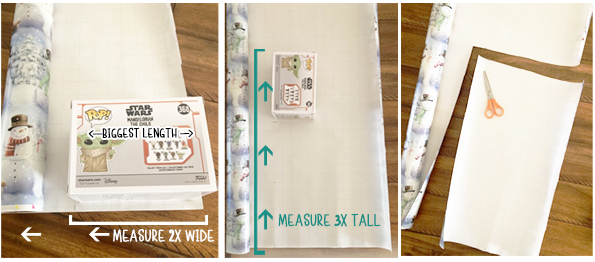
Measuring – Measuring can be tricky, but a good guide is to use the biggest length of your item to measure the paper at least 2 lengths wide, and 3 lengths tall. In general, it is better to err on the side of too large rather than too small. Pro Tip: Choosing paper with a grid on the back really comes in handy for measuring, cutting, and lining things up straight.

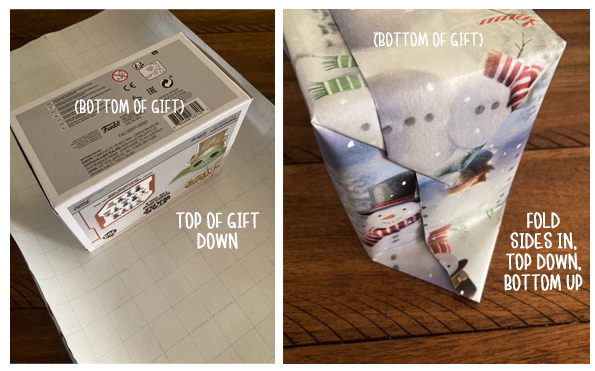
Wrapping – If possible, place top of item down so that your seams will be on the bottom of the gift. Even if your seam isn’t perfectly centered, it will be hidden on the bottom of the gift.

Folding – Fold ends in at the sides first, then down from top, and up from bottom to close.

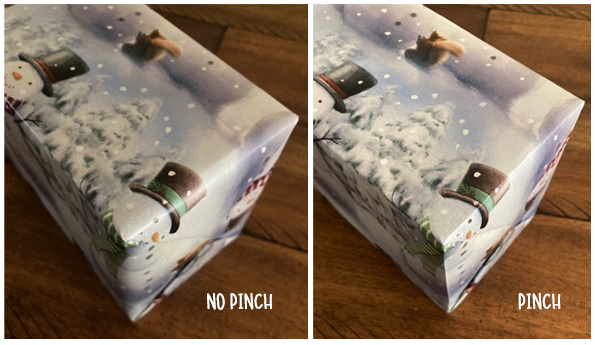
Pro Tip: On all box edges and corners, use your fingers to lightly pinch the paper into crisp creases. It really makes the presentation pop!

Gift Bags:

Pro Tip: Roll delicate or breakable items in tissue or kraft paper. Place a cushion of tissue paper in the bottom of the bag too. It’s also perfectly fine to place several wrapped or unwrapped items into one gift bag.

HOW TO: Use tissue paper to accent and coordinate the top of the bags for a pretty presentation. Place items in gift bag. Lay the stack of tissue paper out on a flat surface, pinch one sheet of paper in the middle and whip up into the air and down to form a fluffy cone. For most bags you will use at least 3 sheets of tissue for each bag top. Tuck the paper cones in top of gift bag, points facing down into the bag. Depending on your bag size, you may need to add additional sheets to fully obscure the gifts inside.

Boxes:

To wrap or not to wrap? If you used a no wrapping required shirt box you are basically done! All it needs is a tag, and some ribbon or a bow if you want to get fancy. If you used a plain and simple shirt box, if the item’s packaging is already a box, or you’re using shipping boxes, proceed to the “Paper Wrapping” section above!

Just remember, the wrapping is just for fun. The magic is in the giving.

You’ve got this!

HAPPY HOLIDAYS!


Home Hack

FALL is for Charcuterie Boards!

In our houses, charcuterie boards are a year-round occurrence, but there is something about the fall and Thanksgiving that make these displays even more fun to create. If you’ve never heard of “charcuterie boards,” it’s just a fancy term for meat and cheese displayed on a board or tray. Even your Thanksgiving relish tray could be turned into charcuterie with the right presentation and a few key ingredients.

Let’s make one!

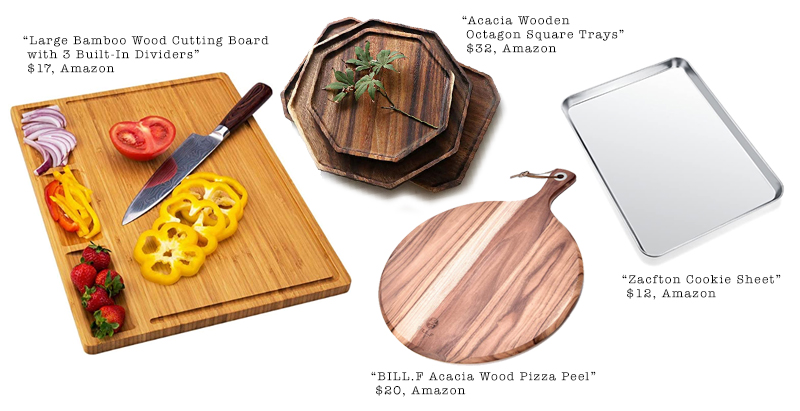
First, you’ll need a charcuterie board. We recommend any food-safe flat surface – ideally with a small lip or edge. It could be anything from a nice cutting board to a wooden plate or small serving tray. You want whatever you use to be food grade and visually appealing. We found several options on Amazon. We used the search terms “charcuterie board,” “cutting board,” and “wood plates” and these are some of the options that popped up:

If you already have a nice chopping board, serving dish, or baking sheet at home that works too! Just make sure its nice and clean.

The ingredients:

Your charcuterie boards can vary in size from personal to party. We think a good place to start is with at least five items. (For example, two types of meat, two types of cheese, and crackers) The boards can be themed: savory and sweet, vegetarian, desserts… the sky is the limit. Here are some combination ideas to get you started.

The Mansion: Summer Sausage, Pepperoni, Deli Ham, Prosciutto, Deli Turkey, Olives, Mini Pickles, Cheddar Cheese, Pepper Jack Cheese, Swiss Cheese, Cheese Ball, Celery, Carrots, Club Crackers, Pretzel Sticks, Butter Crackers, Honey Roasted Nuts, Cinnamon Pecans

The Lake House: Smoked Salmon, Deli Ham, Apple Slices, Red Grapes, Cheddar Cheese, Pepper Jack Cheese, Port Wine Cheese Spread, Cream Cheese, Sun Dried Tomatoes, Club Crackers, Hard Bread Sticks, Wheat Thins, Toasted Bagel Rounds and/or Fresh Bagel Slices, Chopped Onions, Capers, Chocolate Kisses or Mini Chocolate Bars

The Candy Cottage: Apple Slices, Cotton Candy Grapes, Strawberries, Chocolate Covered Raisins, Honey Wheat Pretzel Rods, Vanilla Wafers, Graham Crackers, Cinnamon Pita Chips, Hazelnut Spread, Chocolate Hummus, Marshmallow Fluff, Large Chocolate Non-Pareils, and White Chocolate Kisses or Bark

The Garden: Bell Peppers, Carrot Chips, Celery Sticks, Broccoli, Cauliflower, Cherry Tomatoes, Mushrooms, Hummus, Fresh Ranch Dressing, Grapes, Apple Slices, Cinnamon Apple Chips, Cucumber Finger Sandwiches, Honey Wheat Pretzel Rods, Pita Chips, Caramel Dip, and Hazelnut Spread

The prep:

Some techniques to work with

  • Make most items bite-sized
  • Deli Meats and cured meat slices: roll slices into a little log, if logs are large you can cut them in half.
  • Cured meats: slice into even bite-sized rounds
  • Cheeses: cut into even cubes or cracker-sized slices, or use as focal accents with larger wedges and cheese balls
  • Veggies: cut evenly – 3″ sticks, 1″ rounds, bite size flowerets, leave bite sized items like cherry tomatoes whole
  • Fruits: cut into even wedges or slices, leave grapes and strawberries whole, fruit is usually a great fill-in item
  • Use small glass prep bowls for spreads, dips, or other wet items
  • If you want a garnish use fresh herbs or lettuce cups. Rosemary, basil, and chives are nice fresh options.
  • Suggest pairings by putting items that go together in the same area. For example in The Lake House, the salmon, cream cheese, bagel chips, and onions are all things that pair, so you may want to keep them around each other when you display them.
  • Don’t forget the tongs, scoopers, small spoons for dips, cheese knives, etc.

The presentation:

The layout is all about your groupings. You want to work around the board, ideally beginning with three groupings. Start with the high traffic items, usually that means the meats/proteins. Place them in larger groupings, at three different spots on the tray to form a triangle.

Place your prep bowls (for any dips and sauces) next

Place your cheeses in groups around the meats, again in three groupings if possible.

Now fill in your board with groups of items that use specific prep bowls – fruits near sweet dips, veggies near dressings, etc.

Place your drier items (chips/crackers/breads) in groups near the cheeses, or on separate plates that surround your board.

Finally, place remaining items to fill in any gaps. Grapes and apple slices are great filler items.

Kinda like this:

Voila, just like that, you’re a charcuterie pro! Don’t forget to share your charcuterie masterpieces with us on Facebook and Instagram!